
Forty-seven seconds is roughly how long a seasoned punter spends deciding whether a spin cycle merits another credit, and that quick judgement matters more than the glossy welcome screen. The practical truth about real money slots Albury Australia is that the machines reward patience and punish impulse in almost equal measure, which is why a first-timer needs a method before a wallet. Most visitors treat the lobby like a race day pavilion, chasing colour and noise instead of reading the paytable and the wagering requirement attached to any bonus.
A disciplined operator sees the same pattern across a crowded floor: guests who set a loss limit before they sit down keep their evenings intact, while the ones who drift from machine to machine usually hand their bankroll back to the house by closing time. The trick is to treat each session like a short shift on a table game, where the pace, the bet size and the exit point are agreed before the first card is dealt. That mindset carries straight over to the digital lobby, where the reels spin faster but the arithmetic of expected loss does not change.
Reading the paytable properly
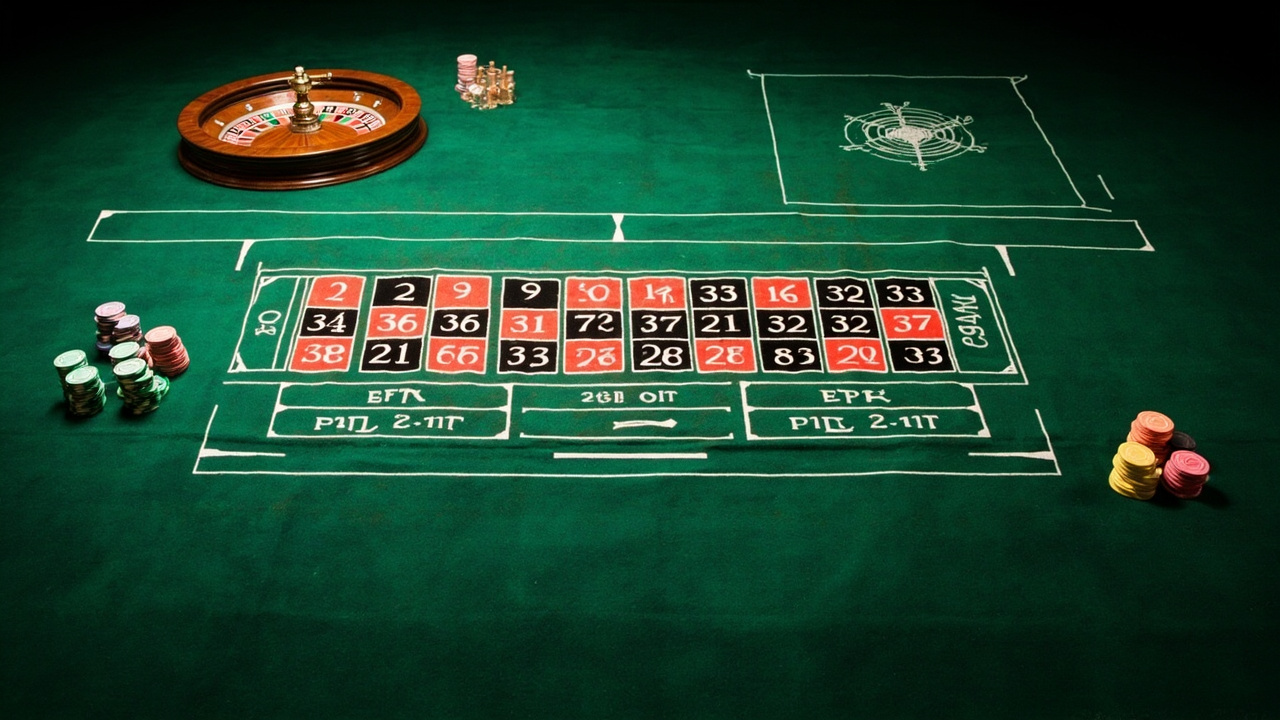
Every sensible player starts with the paytable, because the symbols and the paylines tell you what the machine actually rewards before you risk a cent. A good habit is to note the hit frequency and the top prize together, since a game that pays a massive jackpot rarely enough to matter will drain a balance faster than one with smaller, more regular returns. The wagering requirement on any matched bonus is the hidden clock in the room, and a player who ignores it is effectively agreeing to a time limit they never signed up for.
A practical check takes about a minute: count the active paylines, read the multiplier for each symbol tier, and confirm whether the bonus round triggers on scatter symbols or on a specific combination. That minute matters because two machines with identical themes can run on completely different math models, and the difference shows up in how often the balance dips between wins. The player who takes that minute usually walks away with enough discipline to finish the session on their own terms.
Setting a session limit before the first spin
A proper limit is set in cash, not in credits, because credits obscure the real size of each bet once the balance climbs or falls. Say you deposit fifty dollars and decide that losing twenty of it ends the night, because that kind of boundary keeps the math honest and stops a bad run from becoming a story you tell twice. The limit should cover the whole session, including any bonus funds, since the wagering requirement usually forces extra spins that eat into the cushion you thought you had.
The best players write the number down somewhere visible, because memory gets soft after a few near-misses and the machine never reminds you that you have crossed your own line. A timer helps as well, since a session that runs past an hour on a high-volatility game tends to produce decisions that were not planned when the balance was fuller. The discipline is boring, but boring is what keeps the bankroll intact for the next visit.
Choosing a game by volatility, not by theme
Theme is the first thing most punters notice, but volatility is the thing that decides whether the balance survives long enough to see the bonus round. A low-volatility game pays smaller amounts more often, which suits a player who wants a longer session and a steadier ride, while a high-volatility title holds back its returns and asks for a thicker cushion to stay in the game. The choice is a trade-off, not a verdict, and the right answer depends on whether the player wants entertainment or a serious attempt at a bigger win.
A quick way to judge a title is to look at the gap between the base-game returns and the bonus-feature payouts, because that gap tells you how much of the action depends on hitting a feature versus grinding out ordinary spins. The player who picks a game because the graphics suit the mood usually finds out the hard way that the math was never designed for a long, relaxed evening. The one who matches the volatility to the bankroll and the time available is the one who leaves with a story that is not about a lost night.
Funding the account without friction
Payment choices shape the session more than most players admit, because a slow withdrawal or a clunky deposit process can turn a good evening into a waiting game. The sensible move is to set up the payment method before the first spin, since a verified account and a stored card remove the excuse to rush through the paytable at the last minute. Australian players also need to remember that any transfer from a bank account or a wallet still lands in a space that is not officially licensed or regulated for online casino play here, which is a reality worth keeping in mind before the balance grows.
Ella Fraser, Payments Strategy Director, Sunburnt Country Interactive, puts it plainly: „A smooth deposit is only half the job, because the withdrawal path determines whether a player trusts the platform enough to come back.” Her point is that the payment flow is part of the product, not a back-office detail, and a player who tests the withdrawal terms before committing a larger balance is simply managing risk the same way a table games operator manages a busy shift. The practical check is to read the processing window and any minimum withdrawal amount before the first deposit, because those two numbers decide whether the session ends on your own schedule.
Understanding wagering requirements on bonuses
A bonus looks generous until the wagering requirement turns it into a timed exercise, and the player who skips that detail usually discovers the chase halfway through the session. The requirement is a multiplier on the bonus amount, which means a matched deposit with a thirty-times turnover asks for thirty times the bonus in total wagers before any of it can be withdrawn. That figure is not a suggestion, and it is why a bonus that looks like free play often behaves like a second job if the player has not planned for it.
Such conditions often obscure the real value until the clock is already ticking, prompting many to search for clearer guidelines on thepokies.net no deposit bonus codes. A useful breakdown can be found at thepokies.net no deposit bonus codes, where the math behind the turnover is explained without the usual marketing gloss. Without that clarity, the bonus becomes a barrier rather than a boost, and the player ends up funding the house instead of building a bankroll.
Aaron Harris, Marketing Director, Kangaroo Point Analytics, frames the same point from the operator side: „The turnover figure is the real price of the bonus, and players who treat it like free credit usually learn the math the hard way.” His caveat is that a bonus can still be useful when the player matches it to a low-volatility game and a clear limit, but the same offer becomes a drain when the player chases it on a high-volatility title with a thin balance. The practical habit is to calculate the total amount that must be wagered before accepting the offer, because that number tells you whether the bonus is an extension of the session or a reason to extend it too long.
Three questions a first-timer should answer
How much should I bring to a session? The answer is an amount that loses cleanly without affecting the rest of the week, because a bankroll that matters too much to you will distort every decision on the screen. A sensible test is to set the figure before you log in and treat anything above it as money you have already spent on entertainment.
Which game should I pick first? The answer is the one whose volatility matches the balance and the time you have, not the one with the loudest theme or the biggest advertised jackpot. A lower-volatility title usually gives a new player more spins to read the paytable and understand the rhythm before the balance swings hard.
When should I stop? The answer is when the loss limit is reached or the win goal is hit, because either condition marks the point where the session has done what it was meant to do. A player who keeps going after either line is crossed is no longer playing a plan, and the machine will not remind them that the plan existed.
Reading the room when the crowd gets loud
A busy lobby changes the pace, and the noise from a nearby screen or a chatty group can push a player into larger bets than the plan allowed. The same pressure shows up at a race carnival, where fashion, food and betting mingle and the crowd’s mood can make a cautious punter feel behind before the first race is run. A disciplined player recognises that the atmosphere is part of the environment, and the answer is to step back from the machine or close the app for a few minutes when the pace starts to feel borrowed from someone else.
Two-up features in Australian folklore, film and the ballad tradition, and that same pull toward a communal game shows up whenever a crowd gathers around a screen and starts treating the outcome as a shared event. The player who remembers that the reels are not a group activity is the one who keeps the bet size tied to the plan instead of the mood. The practical move is to pick a quieter corner of the lobby or a lower-profile game when the room gets loud, because a calmer setting makes the limit easier to hold.
A quiet exit beats a noisy chase
The best sessions end the way a good shift ends on a busy floor: with the balance written down, the limit respected, and the player walking away before the crowd starts to thin. A forward-looking punter who finishes on a pre-set win goal or a clean loss limit is already thinking about the next visit, not about recovering what the last spin took. The arithmetic of the evening is settled the moment the player closes the app, and the ones who respect that moment are the ones who keep the habit sustainable.
A quiet exit also leaves room for the next plan, because a session that ends with a clear result is easier to review than one that drifts into a late-night chase. The player who treats the lobby like a shift with a start and an end usually finds that the numbers are kinder than the ones who treat it like a night with no clock. That is the practical difference between a visit that stays a visit and one that turns into a story you tell twice. Austadiums